Spring is here, how great is the light and bird life?
I had a couple of spare hours today to prepare two of my raised garden beds.
Firstly, I let the chooks get stuck into scratching through the soil to turn it over. (They were delighted). One of the beds was drier, so I added more organic matter to the soil, gave it a good soak through, added some soil conditioner and mulch.
I have rotated the crops so that bed 1 which had my salad mixes, has now been planted out with peas and beans. I leave some old onions and beetroots in the beds which gives me green leaves to feed the chooks.
Bed 2 has now become the salad mix so my little seedlings have been planted which I raised a few weeks ago.
I also raised a few more seedling trays today with more plants for beds 3 and 4.
Make sure you refer to Jackie French's Companion planting booklet for crop rotation tips....
****Organic garden design, Backyard poultry, Food systems and Permaculture Tips**** Created by Kim Shipton who is certified in Permaculture Design. In another lifetime, Kim ran Introduction to Permaculture Workshops from her Eco Centre in Curl Curl, Sydney and enjoyed her role as president of the dynamic Permaculture North group.
Sunday, 22 September 2013
Friday, 19 July 2013
Australian Native Garden Design
We recommend 'Creating and Australian Garden' book by Angus Stewart for building your dream native plant and flower garden....
Monday, 11 March 2013
Autumn Gardening
Autumn gardening
What a fantastic season it is right now
with a mild temperature (for a little longer). A good time to collect seed from
the garden, clean out the garden beds, plan and sow for winter crops, seed
raising and planting for Autumn.
Right now, a lot has gone to seed in the
garden which is excellent for attracting good insects and keeping the soil
maintained until ready to sew.
Saturday, 9 February 2013
Tuesday, 1 January 2013
Yellowing Tomato Plants
-->
Maintaining Tomato Plants
I raised heirloom oxheart tomato seeds
which are growing well but slowly and which are yellowing. Yellowing is a sign of
nitrogen deficiency.
This is most likely because
I planted the tomato seedlings with Sunflowers, which take nutrients from adjacent
plants. Sunflowers are good soil conditioners, once they have gone to seed and
are dyeing back. It is best to plant Sunflowers first and later on, plant out your garden beds.
To help my tomato plants, I have recently
added composted soil from my compost bin and some old chook manure. It is said that
tomato plants should be watered well, but at consistent intervals and not over
watered. Other good tomato “feeders” include blood and bones or fish emulsion.
If you are a meat eater and buy meat in plastic containers, drain the left over
blood from the containers around the base of the plant. You can see in the image that the tomato fruit are yellowing and they are stunted in size. I will upload images in a couple of weeks to see what changes have taken effect.
It is important to supply “nitrogen, phosphate, potash, calcium, magnesium, potassium
and other micro-nutrients to build cell wall structure and increase plant vigor”
(veggie gardener.com)
Sunday, 16 December 2012
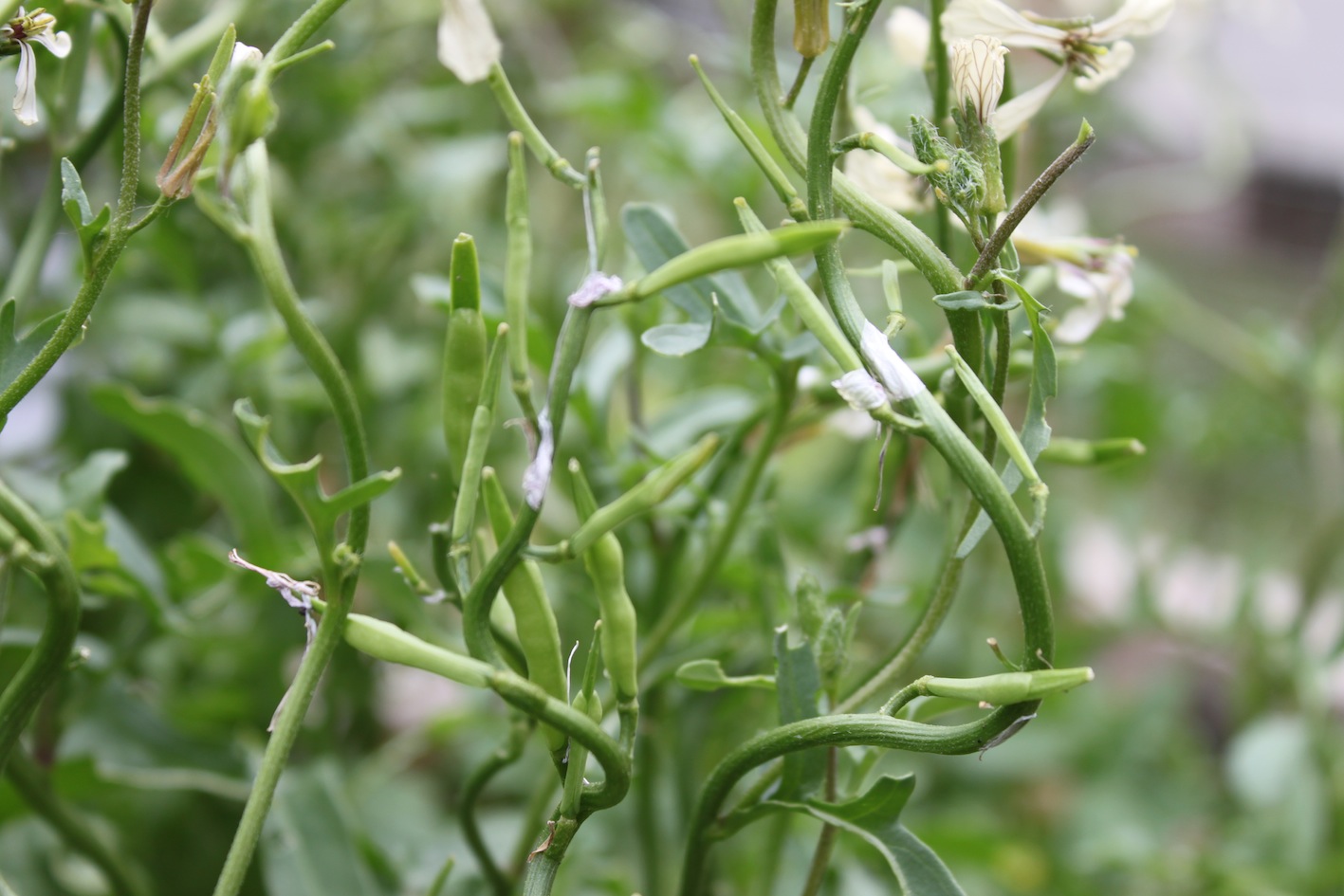
Collecting seed - Rocket
How to collect Rocket seed (tips by
organic garden designer: SDC)
1.
Once the plant has ‘gone to
flower’ (flowered) it will produce long seed pods.
2.
Let the seed pods mature on the
plant and then pick them.
3.
Place them on a plate or aluminum
baking dish away from direct sunlight to dry out
4.
Once they have dried out,
crunch the dried pods in your hands to separate the seeds which can be sifted
into a colander to separate seed pods
5.
Place the seeds in a paper bag
or envelope, label, date and store in a dark dry place, ready to be used again.
NOTES:
·
Rocket seed scan be sewn and grown
regularly through most seasons is Australia (Southern parts avoid summer).
·
Best to collect seed from you
best producing plant(s)
. Refer to our blog on seed raising guide
Subscribe to:
Comments (Atom)