Why not turn a negative experience into a positive?
A neighbour decided to remove some significant limbs from an Angophora tree which is home to many passing birds. In this case, the rule of 10% lopping was the strict arrangement from the tree owner (although the tree surgeons tried pushing for 20%). The tree owner also specified that they have the mulch that was produced from the limbs which is being used on a new native garden bed....designed to attract more wildlife.
SOURCE: North Sydney Council
SOURCE: Australian Museum
****Organic garden design, Backyard poultry, Food systems and Permaculture Tips**** Created by Kim Shipton who is certified in Permaculture Design. In another lifetime, Kim ran Introduction to Permaculture Workshops from her Eco Centre in Curl Curl, Sydney and enjoyed her role as president of the dynamic Permaculture North group.
Friday, 29 November 2013
Tuesday, 22 October 2013
Broody chook
My hen has turned broody recently and I can't keep her away from the laying box which could ultimately effect her health. The following link gives some good tips on handy tips.
I have closed the chook house off (with the lay box) so she cant get in there and gave her a soak in a cold bath to alter her hormonal balance....
http://successwithpoultry.blogspot.com.au/2009/06/how-to-stop-broody-hen-from-staying.html
I have closed the chook house off (with the lay box) so she cant get in there and gave her a soak in a cold bath to alter her hormonal balance....
http://successwithpoultry.blogspot.com.au/2009/06/how-to-stop-broody-hen-from-staying.html
Food Diversity
VARIETY IS THE SPICE OF LIFE
It's not only important to grow a variety of food species which supports bio-diversity
but to feed ourselves a diverse and nutritious diet.
Make sure you collect seed, swap seed or purchase seed from organic seed saver networks such as Eden Seeds.
The splendid variety of vegetables can be torturous in a delightful way. I love working through the catalogues and feel very empowered saving my own seed form backyard crops.
Tuesday, 1 October 2013
Australian Native Beekeeping for hobby keepers
The following information was copied from the ABC Natuve Bee Fact sheet in relation to the Australian Native Bee Research Centre at Kurrajong, NSW.
"In Australia we have about 2000 species of native bees, but only 10 of these are social bees with a queen, drones and workers, like the honey bees. These social native bees are stingless, and live in colonies of up to many 1000s in such places as hollow trees. They are 3 - 4 mm long and look like small flies. All our other native bee species are solitary and do not have a social colony structure. Each solitary female builds an individual nest for her offspring. While solitary bees do not store excess honey in their nests, they play an important role in the bush as pollinators.
The stingless social bees are tropical bees and thrive in the northern states of Australia. It is possible to transfer these colonies into boxes, like hives, in which they are more easily managed. The brood comb, containing the eggs, is often formed in a beautiful spiral and it is possible to extract a little bush honey from the clusters of honey pots.
...Native bees are specific in the types of food they require, so Anne and Les provide different groups of native plant species to nourish them for the longest possible period. But while the bees like eucalypts, grevilleas, callistemon and melaleucas, they also like non-native plants like roses, abelias and daisies, so the home garden can support native bee populations quite easily. It is, of course, very important not to use insecticide in the garden".
You can buy Native Bee hives from a range of people - try Steve's Native Bees at http://www.stevesnativebees.com.au/
Also check out Amazing Bees at http://www.amazingbees.com.au/bee-colonies.html
"In Australia we have about 2000 species of native bees, but only 10 of these are social bees with a queen, drones and workers, like the honey bees. These social native bees are stingless, and live in colonies of up to many 1000s in such places as hollow trees. They are 3 - 4 mm long and look like small flies. All our other native bee species are solitary and do not have a social colony structure. Each solitary female builds an individual nest for her offspring. While solitary bees do not store excess honey in their nests, they play an important role in the bush as pollinators.
The stingless social bees are tropical bees and thrive in the northern states of Australia. It is possible to transfer these colonies into boxes, like hives, in which they are more easily managed. The brood comb, containing the eggs, is often formed in a beautiful spiral and it is possible to extract a little bush honey from the clusters of honey pots.
...Native bees are specific in the types of food they require, so Anne and Les provide different groups of native plant species to nourish them for the longest possible period. But while the bees like eucalypts, grevilleas, callistemon and melaleucas, they also like non-native plants like roses, abelias and daisies, so the home garden can support native bee populations quite easily. It is, of course, very important not to use insecticide in the garden".
You can buy Native Bee hives from a range of people - try Steve's Native Bees at http://www.stevesnativebees.com.au/
Also check out Amazing Bees at http://www.amazingbees.com.au/bee-colonies.html
Passion Fruit growing tips
A friend of mine asked me why his Passion Fruit vine wasn't fruiting.
With some background research I thought I'd list a few tips for those who love Passion Fruit
- In spring, a good pruning is very handy accompanied by chook manure and mulch
- Passion Fruit vines like full sun, a trellis (obviously) and a good watering with well drained soil (to avoid root rot)
- Bees Bees and more bees! To Cross pollinate we need bees - so make sure you have other flowering herbs and plants nearby to attract bees to your Passion Fruit...Bees love Lavender and endless flowers. I also noticed they love Eucalyptus summer beauty plant types. If you have the space you could introduce a native bee hive to the garden - even better!!!!
Sunday, 22 September 2013
Spring Garden Prep
Spring is here, how great is the light and bird life?
I had a couple of spare hours today to prepare two of my raised garden beds.
Firstly, I let the chooks get stuck into scratching through the soil to turn it over. (They were delighted). One of the beds was drier, so I added more organic matter to the soil, gave it a good soak through, added some soil conditioner and mulch.
I have rotated the crops so that bed 1 which had my salad mixes, has now been planted out with peas and beans. I leave some old onions and beetroots in the beds which gives me green leaves to feed the chooks.
Bed 2 has now become the salad mix so my little seedlings have been planted which I raised a few weeks ago.
I also raised a few more seedling trays today with more plants for beds 3 and 4.
Make sure you refer to Jackie French's Companion planting booklet for crop rotation tips....
I had a couple of spare hours today to prepare two of my raised garden beds.
Firstly, I let the chooks get stuck into scratching through the soil to turn it over. (They were delighted). One of the beds was drier, so I added more organic matter to the soil, gave it a good soak through, added some soil conditioner and mulch.
I have rotated the crops so that bed 1 which had my salad mixes, has now been planted out with peas and beans. I leave some old onions and beetroots in the beds which gives me green leaves to feed the chooks.
Bed 2 has now become the salad mix so my little seedlings have been planted which I raised a few weeks ago.
I also raised a few more seedling trays today with more plants for beds 3 and 4.
Make sure you refer to Jackie French's Companion planting booklet for crop rotation tips....
Friday, 19 July 2013
Australian Native Garden Design
We recommend 'Creating and Australian Garden' book by Angus Stewart for building your dream native plant and flower garden....
Monday, 11 March 2013
Autumn Gardening
Autumn gardening
What a fantastic season it is right now
with a mild temperature (for a little longer). A good time to collect seed from
the garden, clean out the garden beds, plan and sow for winter crops, seed
raising and planting for Autumn.
Right now, a lot has gone to seed in the
garden which is excellent for attracting good insects and keeping the soil
maintained until ready to sew.
Saturday, 9 February 2013
Tuesday, 1 January 2013
Yellowing Tomato Plants
-->
Maintaining Tomato Plants
I raised heirloom oxheart tomato seeds
which are growing well but slowly and which are yellowing. Yellowing is a sign of
nitrogen deficiency.
This is most likely because
I planted the tomato seedlings with Sunflowers, which take nutrients from adjacent
plants. Sunflowers are good soil conditioners, once they have gone to seed and
are dyeing back. It is best to plant Sunflowers first and later on, plant out your garden beds.
To help my tomato plants, I have recently
added composted soil from my compost bin and some old chook manure. It is said that
tomato plants should be watered well, but at consistent intervals and not over
watered. Other good tomato “feeders” include blood and bones or fish emulsion.
If you are a meat eater and buy meat in plastic containers, drain the left over
blood from the containers around the base of the plant. You can see in the image that the tomato fruit are yellowing and they are stunted in size. I will upload images in a couple of weeks to see what changes have taken effect.
It is important to supply “nitrogen, phosphate, potash, calcium, magnesium, potassium
and other micro-nutrients to build cell wall structure and increase plant vigor”
(veggie gardener.com)
Sunday, 16 December 2012
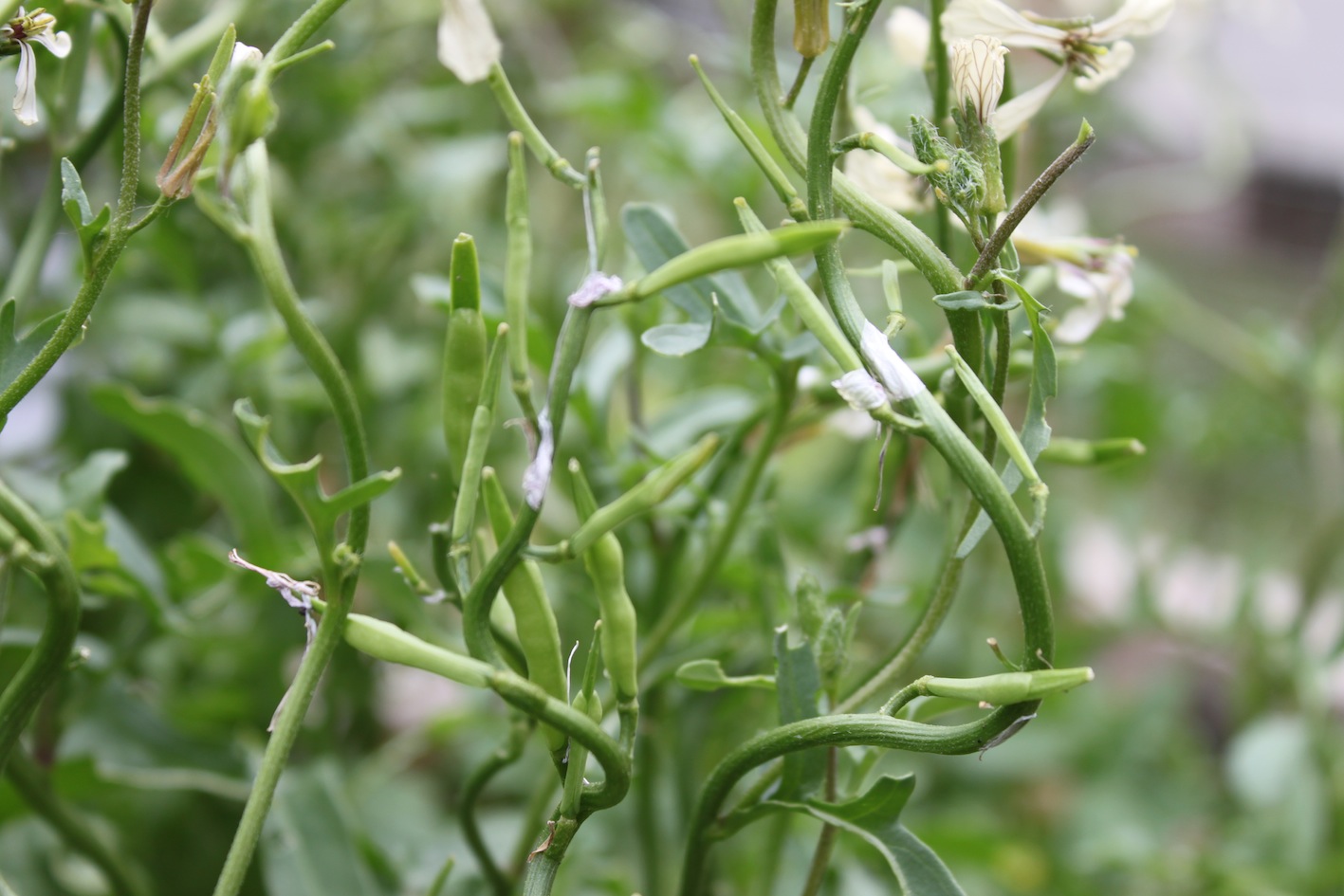
Collecting seed - Rocket
How to collect Rocket seed (tips by
organic garden designer: SDC)
1.
Once the plant has ‘gone to
flower’ (flowered) it will produce long seed pods.
2.
Let the seed pods mature on the
plant and then pick them.
3.
Place them on a plate or aluminum
baking dish away from direct sunlight to dry out
4.
Once they have dried out,
crunch the dried pods in your hands to separate the seeds which can be sifted
into a colander to separate seed pods
5.
Place the seeds in a paper bag
or envelope, label, date and store in a dark dry place, ready to be used again.
NOTES:
·
Rocket seed scan be sewn and grown
regularly through most seasons is Australia (Southern parts avoid summer).
·
Best to collect seed from you
best producing plant(s)
. Refer to our blog on seed raising guide
Wednesday, 12 December 2012
Garden produce quick meals
The advantages of a raised garden bed means a quick pick meal full of health and vitality after a long day at work...a taste sensation; chilli, panfried zucchini and flowers, fennel, carrots, purple basil, spanish onion, salad leaves of beetroot, rocket, english spinach, curled lettuce, mustard lettuce, pursplane topped with finely grated mature swiss gruyere cheese from the markets - YUMO
Monday, 10 December 2012
Lilly Pillies
Selecting multi functional plants is practical - in this case, The Lilly Pilly; a native food source for insects and birds, a screening plant, decorative flowers, edible parts, scented pleasure, botanical dyes, aesthetic it goes on.
Seed Raising 101
- If you are new to gardening and growing food, I encourage you to read some books on Permaculture or to join your local permaculture group which is not only wonderful for networking but your knowledge will increase at a very fast rate.
- There is a great book called the Seed Savers Handbook - this will teach you how to collect your seeds once your plants surpass their food supply and 'go to seed'; you can save money from purchasing future seeds by collecting your own (or better still swap seeds or supply organic seed suppliers).
- Seeds come in ALL SORTS OF SIZES. For large seeds for example, peas, beans or sunflowers, it's very easy to plant them directly into healthy compost soil and add a little mulch. You can certainly grow smaller seeds this way but some people prefer to 'raise' them firstly in small containers with finely sifted soil and nurture them for a few weeks until they grow into small tube stock plant. These are then transplanted into your garden. It's best to use a fine spray nozzle setting on your hose (or a water bottle with a spray mist) to water your seedlings so as not to drown them. Protect them from harsh drying sun and wind. Sometimes indoors near a window with good natural light is ideal. Or a shade house on your balcony with some indirect sun.
- Seed raising containers - make your own from recycled cans, plastic yoghurt jars etc - be innovative!!!! Of all the tools and supplies you can purchase (from cocopeat pots etc), one of the best tools I have experienced is the NewsPaper Pot Maker - available from suppliers such as Green Harvest . If you have access to newspapers from recycle bins this is a great project for kids to make up some biodegradable pots that you can plant directly in the soil with your seedling.
Alternatively, you can make your own Origami Seed pots via quick tutorials like this one:
PLEASE NOTE: Not to use Cardboard which has Boron in it which is not a good chemical to ingest.
SOURCING SEEDS:
- Today there are many wonderful organic seed suppliers. Some of my usual suspects are Eden Seeds and Green Harvest. On the Eden Seed website they offer handy seed varieties 'By Season' so that you select seeds for the right time of year. Even in Winter, we can grow some excellent staples for delicious soups etc.
Treating Marek's Disease
Link info on Mareks Disease
Click on the above link for some handy information on Marek's Disease - should your chook be looking and acting ill, this is a common disease.
St Johns Wort as treatment
Click the above link for handy treatment tip using St Johns Wort (I purchased liquid drops from a herbalist in Mona Vale, diluted in the drinking water for a week - which worked wonders).
Click on the above link for some handy information on Marek's Disease - should your chook be looking and acting ill, this is a common disease.
St Johns Wort as treatment
Click the above link for handy treatment tip using St Johns Wort (I purchased liquid drops from a herbalist in Mona Vale, diluted in the drinking water for a week - which worked wonders).
Sunday, 9 December 2012
Designing for wildlife
Why not
allocate some of your garden space to provide food to your local
threatened fauna? Your local council will have a list of threatened
plants and native animals to your area. No matter how small your garden,
there will be something you can grow to shelter or feed a smaller bird,
provide beneficial insect attractants or join forces to plant
threatened native species...if they are under threat, what animals are
also under threat? As Sydney's population growth is estimated to add
1.1million people by 2031 and housing development must sustain this
growth it is important for home owners to plan for Natural corridors,
wherever we can.
Presence
of Koala Food Trees. The draft State Koala Recovery Plan. (NPWS 2003)
includes a list of Koala food trees in NSW.
Wednesday, 28 November 2012
Chook Care
Marek's Disease:
One of our Favorelles chooks; Rita, had fallen sick within a week of her arriving. She lost a lot of weight and was very wobbly on her legs. After treating her for worms and Coccidia, her condition continued to deteriorate.
Thanks to a Favorelles Club on Facebook, I found that her symptoms were common to Marek's Disease - a very common disease among chooks. Most cures deemed the outcome fatal or that they get through it somehow and can develop an immunity. However thanks to some further research, I found that some St Johns wort liquid drops in purified drinking water (no chlorine), over a week, helped Rita a great deal. The other chooks also has the treatment as they were bound to be susceptible to it. Rita's appetite progressively returned over the next weeks and she appears to be returning to normal health. Its an amazing turn around as she was very close to dying. A fantastic relief as she is such a pretty natured creature.
Subscribe to:
Posts (Atom)